
Want to get in touch?
We'd love to hear from you. Here's how you can reach us.
What we do.
We connect 100,000+ qualified prospects looking for financial advice, lending, protection, debt help and claims to advisors and brokers every year.
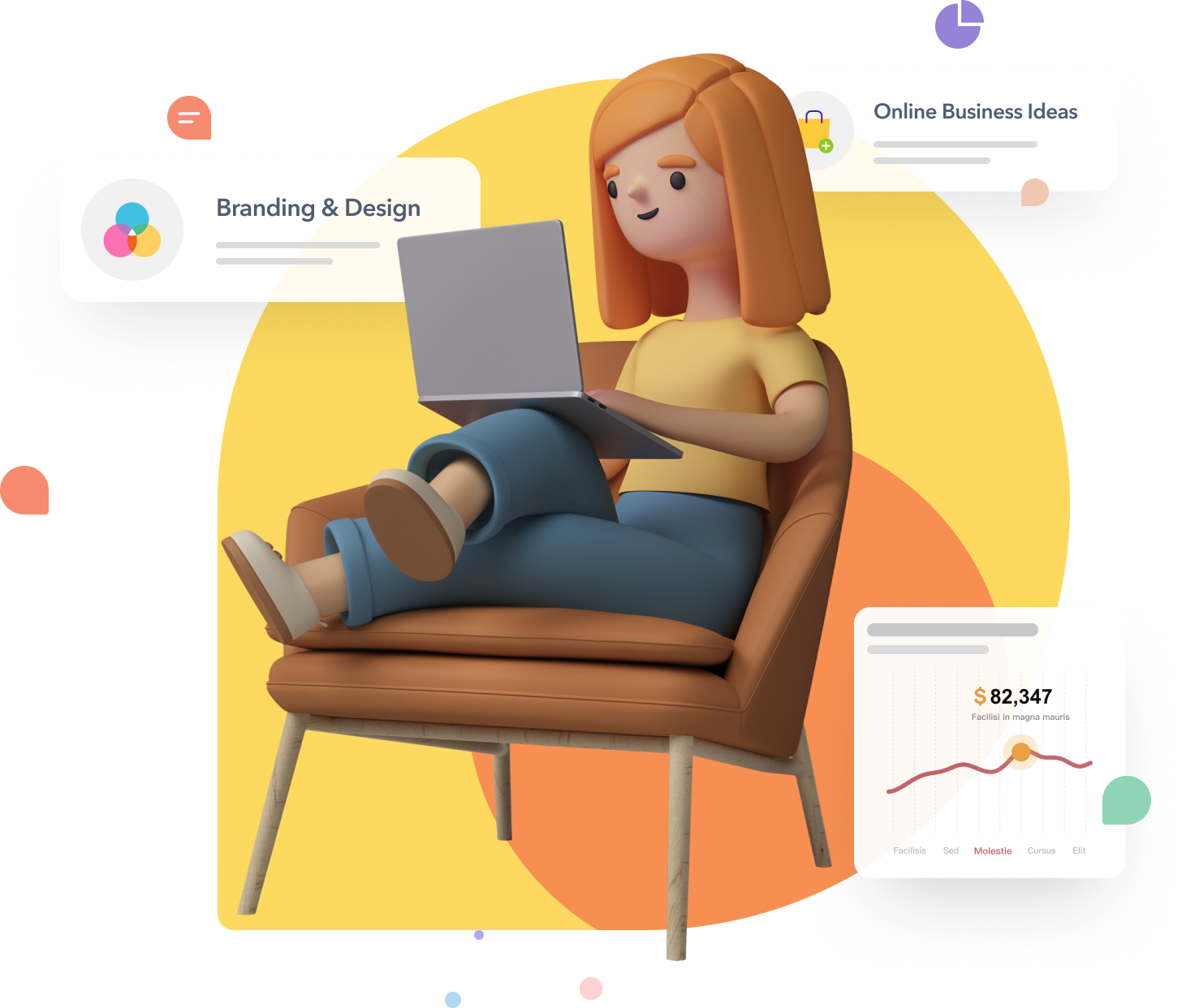
We will always provide the best service.
We don't launch rockets. We just generate leads from Google, Bing and YouTube, connecting them with your team in real time. And you know what, we're bloody good at it.
Get leads from our existing matured campaigns.
Let us build bespoke lead-gen campaigns in your brand.
Deploy our AI sales androids to boost contact rate.
Utilise our proven systems and technology to increase your return on ad spend.

It's all about the numbers.
As a data driven performance marketing agency our whole business is based on making the numbers stack with a positive returns on ad spend.
500+
Project Delivered
$60M+
In Partner Revenue
10,346
Positive Reviews
How we can help?
Want to get in touch? We'd love to hear from you.
Follow us on Facebook

Costumer review.
See why customers love GHL Elite.
"If you're looking for an all-in-one app to help you increase sales and save time on follow-ups, I would highly recommend NexLevel CRM."
– Rachel Johnson

"Our team has been using NexLevel for a few months and we are very happy with the results. We've closed more deals than ever before and our sales team loves it."
– Mike Nord
"You never know what you're missing until you try NexLevel. We've been using it for 9 months and it has helped us double our pipeline and close more deals."
– Heather Mathewson

"Since using NexLevel over a year ago, I’ve generated $300k+ in new revenue and saved more than 20 hours per week on administrative tasks like reminders and reschedules."
– Ranjana Muthaliar
Guided by our values, we deliver exceptional results.
Through our team of #GhlElite - who's bar for quality is set reassuringly high
Excellent consumers
We truly strive for the best outcome for the consumers, as great consumer outcomes will lead to fantastic campaign results - making life a whole lot easier.
Transparency and honesty
Like any partnership in life, these two elements are key to success. The good, bad and ugly needs to be shared, discussed and built upon to succeed.
Real time partnerships
We go beyond supplier and buyer, by deeply integrating our proven systems and processes into your business, squeezing the maximum juice from all your leads.





What We Do
Your proven customer acquisition system that increases conversion rates at every step of the customer journey so you can enjoy record breaking sales.
Effective Lead Generation
Strategically focused on high-intent leads generation tactics from Google, Bing, & YouTube.
Database Reactivation
Turn your old data into fresh appointments and sales, utilising our sales android that never rests.
Appointment Setting
Transform your contact rate and campaign profitability with our appointment setting sales android.
Blog
Your proven customer acquisition system that increases conversion rates at every step of the customer journey so you can enjoy record breaking sales.
Reflections on Safe Work Month
October was Safe Work Month, and I feel like the tide is starting to turn.
The adoption of standards and practices to keep people safe in workplaces has been an evolving process. It’s hard to imagine now, given how standard things like material safety datasheets and mandatory reporting are, but one hundred years ago it was just accepted that workplaces were dangerous and people would be injured, killed, or suffer serious health effects because of where and how they worked. Accidents happened, and it was all just a necessary sacrifice to get the job done.
Change started, as it so often does, in the most extreme environment: with objection to the serious, life-threatening conditions in the mining industry. It’s almost always the worst cases where change begins, and it was in an environment where dust, chemical hazards and potential catastrophic incidents could kill or injure in seconds that demand for improvements and corporate responsibility began.
Would you believe, though, that it was until 2011 that Australia adopted nationally consistent WHS legislation – and the model Workplace Health and Safety Laws still haven’t been implemented in Victoria or Western Australia? Workplaces may be safer than they were, but there’s still a long way to go. A review in 2018 found that model WHS laws were largely operating as intended, but they failed to address what is increasingly recognised as an under-recognised and usually poorly managed issue: psychosocial hazards in workplaces.
Psychosocial hazards are factors that can lead to injury to mental health and wellbeing, rather than physical injuries or illnesses. Like the ‘accidents happen’ approach to physical hazards, back in the day, psychosocial hazards have been treated as inevitable, or signs of personal weakness, or unavoidable if workplaces are to get the job done. They have been accepted and ignored.
The tide is turning, and that’s starting to change. There have been two major developments in the recongition of psychosocial hazards as avoidable, manageable and serious issues for which workplaces must take legal and ethical responsibility.
The first is the release, in 2022, of Safe Work Australia’s model code of practice on identifying and managing psychosocial hazards in Australian workplaces. The Code was released alongisde new legislation that means workplaces are obligated to recognise, address, and take responsibility for psychosocial hazards in the same way they’re responsible for physical hazards in the workplace. Employers and people operating a company can no longer ignore risks or blame workers and others for their injuries.
The second development has to do with a group who, like the miners of the 20th century, are at the forefront of exposure to these hazards: military personnel. It’s long been an accepted fact that being in the Australian Defence Force means a heightened risk of mental health conditions – especially Post Traumatic Stress Disorder – and even suicide. Reports of ‘shell shock’ among serving personnel posted to war zones have a long and well-established history. Again, this has been just accepted as ‘the way things are’.
However, in 2021 the Australian Government established a Royal Commission into Defence and Veteran Suicide, which completed its work and released its final report – with 122 recommendations – in September 2024.
As with the hazards impacting on the health of miners, the Royal Commission exposed hazards that apply to all workplaces. Among the factors revealed by the Commission that came as a surprise to many is that many ADF personnel were not injured in warzones, but in jobs closely resembling ‘civilian’ conditions. While stories of psychosocial injuries in the battlefield were common, they were matched by people who suffered such injuries without deploying, in office jobs where the hazards related to poor job design, failures of leadership, and inadequate support – alongside more obvious problems like harassment, discrimination and bullying.
The Royal Commission exposed a fact so many of us know from the bitter experience of working in toxic environments: you do not need to be shot at to be at serious risk of harm in a workplace.
My own injury is an example of this. Although I was working on Afghanistan during the fall of the country to the Taliban, and the ensuing chaos and horror of evacuation operations from Kabul Airport and the Islamic State attack on crowds of desperate people attempting to escape, I never set foot in Afghanistan. I was injured while living in a comfortable hotel and working in a rather nice, comfortable office.
Regardless of where and how a psychosocial injury happened, the consequences can be just as serious. They can be deadly, as the evidence presented to the Commission demonstrated time after time.
Even though we already know this, it’s taken a long time for psychosocial hazards to be treated like physical ones: taken seriously as factors that can, and must, be addressed to avoid serious injury to people in workplaces. This is still considered a ‘new’ or ‘emerging’ take on the responsibilities of people conducting businesses and everyone within a workplace, despite the countless number of people whose lives have been impacted by the consequences of such hazards.
In my own experience, the systems created to address the causes and consequences of these hazards is clearly set up to deal with physical issues. Forms and processes assume that injuries are easily quantifiable and that recovery is a linear process, like the healing of a broken bone. While it’s a bit odd to turn a broken bone into a ‘percentage of impairment’, how do you even begin that process for the consequences of a mental health condition that’s resulted from a workplace psychosocial injury?
Still, this year’s Safe Work Month has made me optimistic that the ship is beginning to turn, albeit slowly. In the speeches I’ve delivered, people clearly understand and care about the damage that’s caused by workplaces failing to engage with psychosocial hazards. Not once have I encountered anyone claiming that it’s necessary to force staff into burnout, poorly manage change, set workers up for failure (aka organisational injustice) or demand unreasonable, unsustainable superhuman feats for long periods as the cost of getting things done.
We get it. Burnout is not a new concept, and I believe almost everyone would be familiar with what a toxic workplace is like, and what the consequences can be if nothing is done to fix it.
Every one of us is part of multiple workplaces – as employees, bosses, visitors, clients, or just passing through. While the burden of responsibility lies heaviest on leaders, we all make a contribution to making workplaces safer, or more hazardous. Recognition of what hazards look like, how to call out hazards, and how they can be addressed, will strengthen our ability to make workplaces safer for everyone.
I’d like to close this post with two points of gratitude. First, thank you to everyone who engaged with my presentations during Safe Work Month. It was such a joy to have the opportunity to speak to so many people about a topic so close to my heart, and the questions and conversations we had showed just how far we’ve already come, even if the bureaucracy still has a ways to go.
Second, I want to thank those people who have borne the greatest brunt of these hazards for so long, with so little recognition that they have put themselves in harm’s way psychologically as well as physically: Australia’s veterans, serving or otherwise. The sacrifices ADF members make to serve their country are extraordinary, regardless of what role they play, and a lot of Australians do not have a clue what it means to choose to sacrifice so much of the personal freedom and inconvenience that civilians (myself firmly included) take for granted. Thank you all, not just for your service, but for raising your voices for the benefit of yourselves, your colleagues in uniform, and for everyone who may not be exposed to war zones, but who will benefit regardless from your willingness to speak up and make all of us safer.

© Nightshade Free Life